Bone loss after menopause is one of the best-documented changes in women's health — but does the flood of supplements and protocols marketed to slow it actually hold up under scrutiny? Here's what the research supports, what's overhyped, and what a realistic timeline looks like.
Why Bone Health Becomes Urgent After Menopause
Estrogen does more than regulate your cycle — it actively slows the rate at which bone is broken down. When estrogen production drops sharply during the menopause transition, bone resorption can outpace bone formation for several years, leading to a documented loss of roughly 10-12% of total bone mass during the first 5-7 years after your final period. This isn't a vague wellness claim; it's one of the most consistently replicated findings in skeletal research.
The practical question most women actually want answered isn't 'is bone loss real?' — it clearly is — but whether the supplements, weight-bearing routines, and bone-support products marketed for this stage genuinely slow that loss, or whether they're mostly noise. This review walks through what the evidence actually supports.
What the Research Actually Shows About Calcium and Vitamin D
Calcium and vitamin D are the foundation of nearly every bone-health protocol, and for good reason: multiple long-term cohort studies link adequate intake of both to meaningfully reduced fracture risk in postmenopausal women. The catch is dosage and form. Research generally supports around 1,200 mg of calcium daily from food plus supplementation, and 800-1,000 IU of vitamin D3, not the mega-doses some products advertise.
Importantly, calcium alone without adequate vitamin D shows much weaker results in trials, because vitamin D is what allows the intestine to actually absorb the calcium you're consuming. Products that pair the two in a balanced ratio tend to outperform calcium-only formulas in the research.
Vitamin K2: Promising, But Not a Standalone Fix
Vitamin K2 (specifically the MK-7 form) has gained attention for its role in directing calcium toward bone and away from arterial tissue. Smaller clinical trials show modest improvements in bone mineral density markers when K2 is combined with vitamin D, but the evidence base is thinner than for calcium and D alone. Treat K2 as a reasonable complementary ingredient, not a replacement for proven basics.
Does Weight-Bearing Exercise Actually Move the Needle?
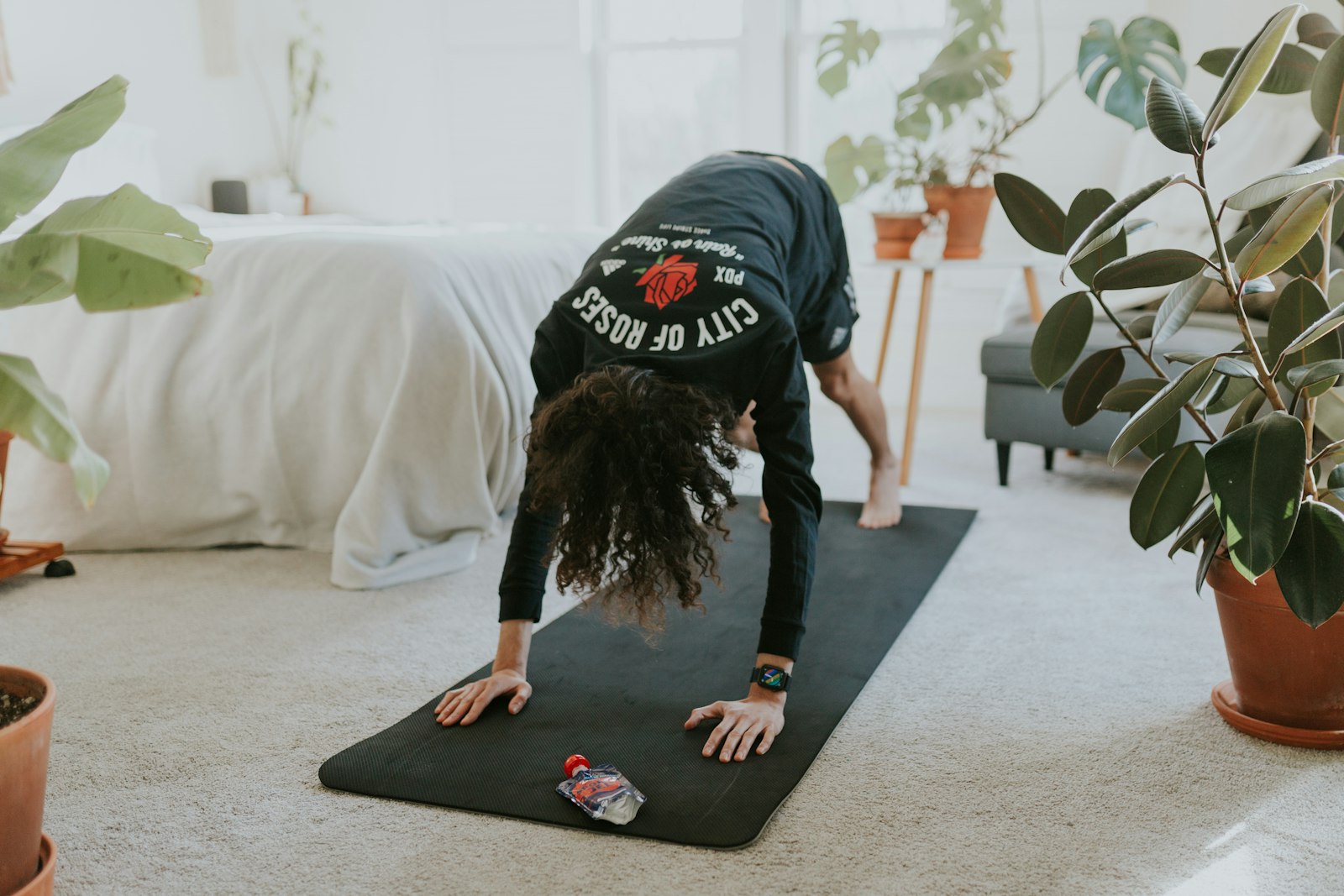
Yes — and this is arguably the single most evidence-backed intervention available, supplement or otherwise. Resistance training and high-impact weight-bearing activity stimulate osteoblast activity (the cells that build new bone) through mechanical loading. Studies on postmenopausal women consistently show that structured resistance training 2-3 times per week can slow, and in some cases modestly reverse, bone density loss at the hip and spine over 12-24 months.
No pill or powder has shown comparable effect sizes to progressive resistance training in head-to-head research. If you only adopt one habit from this article, this is the one with the strongest data behind it.
| Intervention | Evidence Strength | Realistic Expectation |
|---|---|---|
| Calcium + Vitamin D3 (combined) | Strong | Supports maintenance, modestly reduces fracture risk |
| Vitamin K2 (MK-7) | Moderate | May enhance calcium utilization, not standalone |
| Weight-bearing resistance training | Strong | Most effective non-pharmaceutical intervention |
| Collagen peptides | Emerging | Early studies promising, more research needed |
| Magnesium | Moderate | Supports bone matrix, often under-consumed |
| Isoflavones (soy-based) | Mixed | Inconsistent results across trials |

Build Your Foundation With a Trusted Calcium + D3 + K2 Formula
Look for third-party tested formulas that combine all three nutrients in researched ratios rather than isolated megadoses.
Shop Bone Support on iHerb →What About Prescription Options and Bone Density Testing?
If you're past the point where lifestyle and supplementation alone feel sufficient — particularly if you have risk factors like early menopause, a family history of osteoporosis, or a low-trauma fracture — a DEXA scan is the actual diagnostic standard, not at-home guesswork. Knowing your baseline bone mineral density score lets you and a clinician decide whether prescription options like bisphosphonates are appropriate, which is a different conversation entirely from general supplementation.
Getting a baseline scan and relevant lab work early in the menopause transition gives you a real data point to measure future interventions against, rather than relying on how you feel.
Get Baseline Bone & Hormone Labs Without the Wait
Order physician-authorized lab panels that can help establish where your bone-relevant markers and hormone levels stand before you invest in a long-term protocol.
View Lab Panels →Realistic Timeline for Seeing Change
Bone remodeling is slow by nature — a full remodeling cycle takes roughly 3-6 months, and meaningful density changes on a DEXA scan typically aren't detectable for at least 12 months of consistent intervention. Be skeptical of any product promising visible bone density improvements in weeks; the biology simply doesn't move that fast.
Add Progressive Resistance Training to Your Routine
Adjustable dumbbells or resistance band sets make it realistic to maintain the 2-3 weekly weight-bearing sessions the research consistently supports.
Shop Resistance Equipment →The Bottom Line
Bone health support after menopause isn't a myth, but it's also not a single product you can buy your way out of the problem with. The strongest evidence points to a combination: adequate calcium and vitamin D3, consistent weight-bearing resistance exercise, and periodic monitoring through bone density testing rather than guesswork. Vitamin K2, magnesium, and collagen peptides can reasonably round out a protocol, but they work as supporting players, not headliners.
Set your expectations around maintenance and slowing decline rather than dramatic reversal, track progress with real diagnostics, and prioritize the resistance-training component — it's the one lever with the most consistent research behind it.
From across the network
More from the network on related topics: HerVitalityLab · HerDesireLab · VitaminSupplyCenter.